
In today’s digital world, traditional television is rapidly giving way to more flexible, internet-based alternatives. One of the most significant innovations in this field is IPTV, or Internet Protocol Television. But what exactly is IPTV, how does it work, and why is it changing the way we watch TV? Let’s dive deep into the world of IPTV and explore everything you need to know.
1. Definition of IPTV
IPTV (Internet Protocol Television) is a digital television broadcasting technology that delivers TV content through the internet instead of traditional methods like satellite or cable. Unlike conventional broadcasting, IPTV uses Internet Protocol (IP) networks to transmit video streams directly to the viewer’s device. This means that users can watch live TV, on-demand content, and recorded programs anytime, anywhere, as long as they have an internet connection.
2. How IPTV Works
IPTV works by transmitting television signals over IP-based networks. Instead of receiving TV channels through satellite signals or cable wires, IPTV converts television signals into data packets and sends them through the internet. These packets are then decoded and displayed on the user’s screen.
The process involves several components:
- Content Source: This can be a live TV channel, video-on-demand library, or any other media provider.
- Head-End Server: The server that encodes and organizes content for distribution.
- Middleware: Software that connects the IPTV service provider and the end-user interface, managing user authentication, billing, and channel access.
- Set-Top Box (STB) or Smart App: The device or software that receives and decodes the IPTV stream for playback.
The entire system relies on high-speed broadband internet to ensure smooth and uninterrupted streaming. Free Trial
3. Types of IPTV Services
There are three main types of IPTV services available today:
- Live Television – Streaming live broadcasts in real time, similar to traditional TV but via the internet. Examples include news, sports events, and live shows.
- Video on Demand (VoD) – Allows users to choose and watch videos whenever they want, from a digital library of movies, series, and programs.
- Time-Shifted TV (Catch-Up TV) – Lets users watch programs that were broadcast earlier, giving them flexibility if they missed the original airing.
4. Advantages of IPTV
IPTV provides several significant advantages compared to traditional TV systems:
- Flexibility and Accessibility: Viewers can access IPTV on multiple devices, including smart TVs, smartphones, tablets, and computers.
- On-Demand Viewing: No need to follow fixed schedules; users can watch content whenever they want.
- Interactive Experience: IPTV supports interactive features like pause, rewind, fast-forward, and program guides.
- Higher Quality Streaming: With modern internet speeds, IPTV can deliver HD and even 4K content with minimal buffering.
- Cost Efficiency: IPTV subscriptions often cost less than traditional cable or satellite TV services.
- Global Access: You can watch international channels and content from anywhere in the world.
5. Challenges and Limitations
While IPTV offers many benefits, it also has a few drawbacks:
- Internet Dependency: IPTV requires a stable and fast internet connection; poor connectivity can cause buffering or quality loss.
- Legal Issues: Some IPTV providers operate illegally by streaming copyrighted content without proper licenses.
- Technical Complexity: Setting up IPTV services can be more complicated than plugging in a cable.
- Latency: Live IPTV streams sometimes have a slight delay compared to traditional broadcasts.
6. IPTV vs. Traditional TV vs. OTT
It’s important to distinguish IPTV from traditional television and OTT (Over-the-Top) services like Netflix or YouTube.
| Feature | IPTV | Traditional TV | OTT Services |
|---|---|---|---|
| Transmission | Internet Protocol | Satellite/Cable | Internet |
| Content Type | Live & On-demand | Live only | On-demand |
| Control | Managed network | Broadcaster-controlled | User-controlled |
| Device Flexibility | High | Low | Very high |
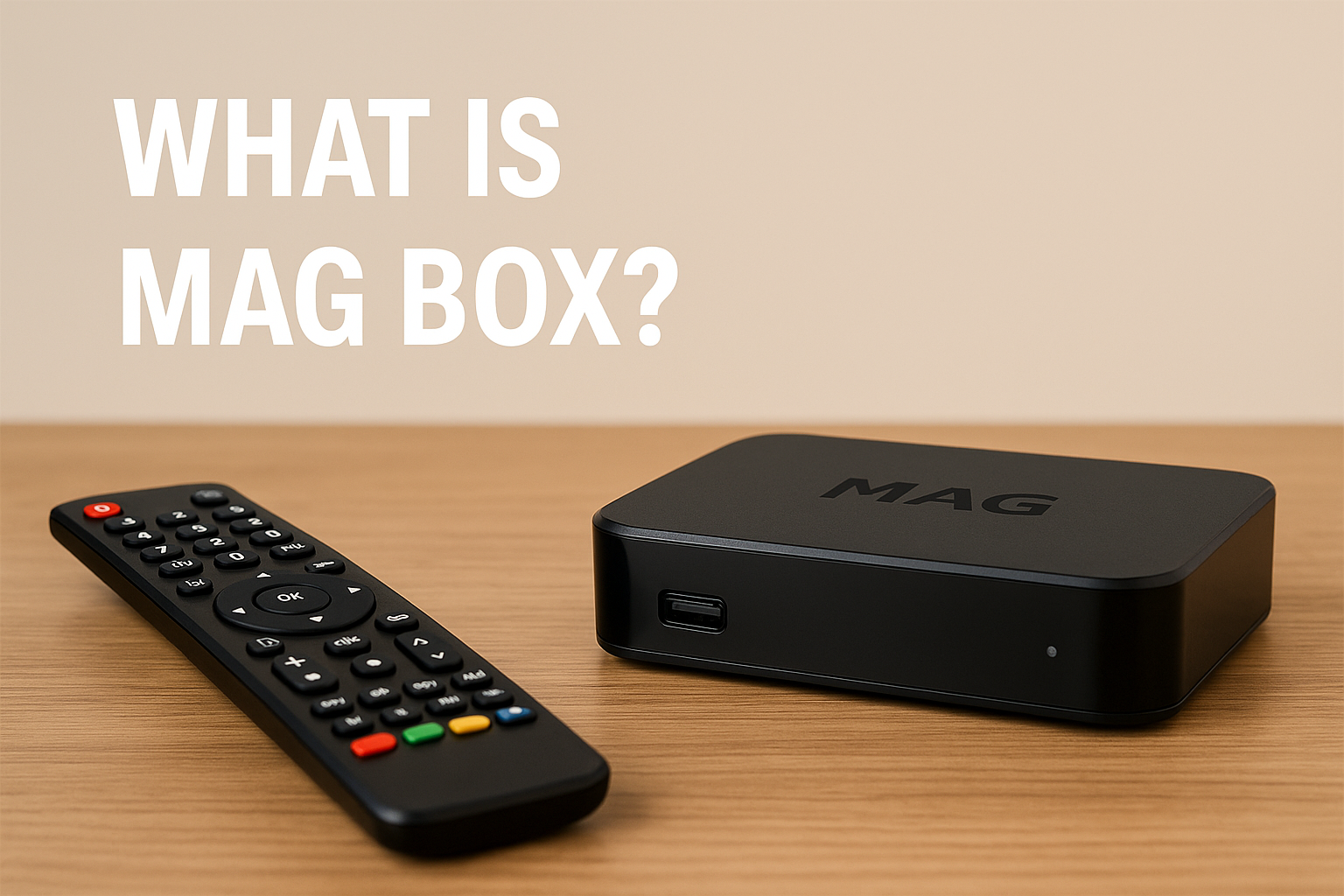
| Examples | MAG, Enigma2, Smart IPTV | Cable TV, DTH | Netflix, Prime Video |
Essentially, IPTV bridges the gap between conventional TV and streaming services, combining the best of both worlds.
7. Legal and Ethical Aspects of IPTV
Not all IPTV services are legal. Licensed IPTV providers obtain proper distribution rights for their content. However, many illegal IPTV services offer premium channels and movies at very low prices by streaming pirated content. Using such services can lead to legal consequences and security risks like malware or data theft.
It’s always recommended to use official IPTV services that are authorized and verified to ensure a safe and lawful viewing experience.
8. The Future of IPTV
The future of IPTV looks incredibly promising. As internet speeds continue to improve and more households move away from cable, IPTV will likely become the dominant way of consuming TV content. With the integration of AI, cloud computing, and 5G technology, IPTV services will become more personalized, faster, and interactive than ever before.
The rise of smart homes and connected devices will also make IPTV a central part of digital entertainment ecosystems, offering seamless experiences across all screens.
9. Conclusion
IPTV represents the evolution of television in the internet age. It offers flexibility, control, and accessibility that traditional broadcasting simply cannot match. Whether you’re watching a live sports match, catching up on your favorite show, or exploring new on-demand content, IPTV puts the power of entertainment directly in your hands.
As long as you choose a reliable and legal provider, IPTV can deliver an exceptional viewing experience that blends innovation, quality, and convenience — redefining what television means in the 21st century.